
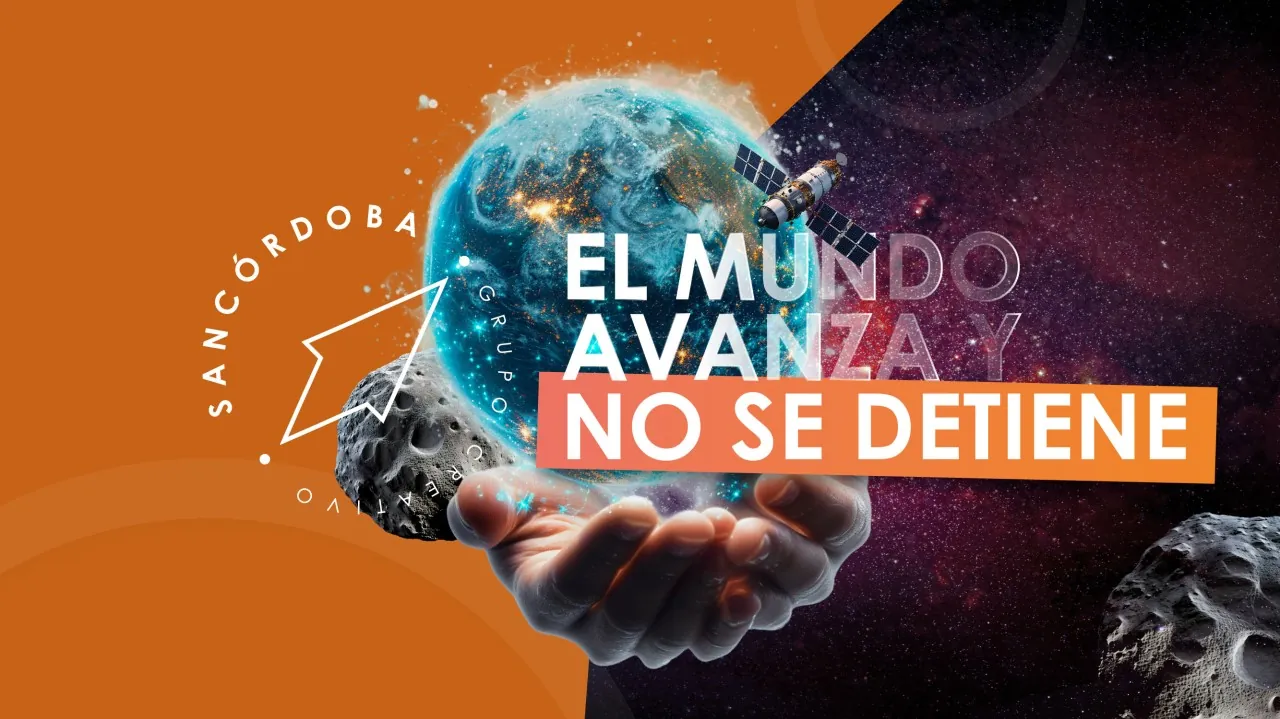
The world keeps moving and does not stop
In today's fast-paced business world, speed is key to success; yet many organizations face the discouraging feeling of falling behind, stuck in the past while the world moves ahead by leaps and bounds. This gap between the pace of the world and the speed of internal adaptation can have serious consequences, from lost competitiveness to the erosion of team morale.
Some signs that an organization is falling behind are:
● Lack of innovation: the organization fails to keep up with the latest trends and technologies, which makes it look outdated and unappealing to customers and employees.
● Rigid processes: internal processes are slow, inflexible and hard to adapt to market changes, which hinders efficiency and agility.
● Failure to adapt to change: the organization struggles to adapt to new market realities yet resists change, which leaves it vulnerable to external threats.
● Loss of relevance: the organization loses its leadership position in the market and cedes ground to more agile, innovative competitors.
Closing the gap between the pace of the world and the speed of internal adaptation calls for strategic, proactive measures.
● Implementing agile teams: agile teams are small, cross-functional and work in short cycles, which allows them to adapt quickly to change and respond to market needs in a timely manner.
● Fostering a culture of innovation: create an environment where creativity, experimentation and critical thinking are valued and rewarded. Encourage employees to propose new ideas and solutions.
● Investing in continuous learning: make sure employees have the skills and knowledge they need to stay at the forefront of their field. It is important to offer training and professional development programs on a regular basis.
The Cámara de Comercio de Armenia y del Quindío faced the challenge of revitalizing the tourism experience and attracting more visitors. The region was known for its coffee shops, but its tourism offering was limited and repetitive.
Recognizing the need for innovation, it developed, together with Sancórdoba, a new tourism product called “Tómate El Quindío”. The initiative set out to amplify the visitor experience by highlighting the region's unique culture, flavors and landscapes.
Sanco designed a series of themed routes: these routes guided visitors through the varied landscapes of Quindío, introducing them to local traditions, artisanal products and culinary delights. Visit Tómate El Quindío and discover how we got Colombia to drink in Quindío.